
Top QR Code Marketing Solutions for Global Retail Brands Seeking Scalable Localization
Rethinking Retail Engagement in a Mobile-First World

Retail is no longer confined to static shelves and checkout counters. As the customer journey becomes increasingly mobile and personalized, the role of QR codes in bridging the physical and digital worlds has expanded dramatically. Especially in global retail, where consumers span multiple languages, regions, and buying behaviors, the ability to engage them instantly — through dynamic, localized experiences — is critical.
Top QR code marketing solutions for global retail must go far beyond linking to a product page. They must support dynamic redirection, region-specific content, language adaptation, and performance monitoring — all through a single code that functions across borders and devices.
For global brands managing hundreds of SKUs, store locations, or promotional campaigns, traditional QR codes can’t meet these demands. What’s needed is an intelligent, scalable, and centrally managed solution that ensures every customer lands on the right experience — based on their location, language, and context.
UnicLink addresses this complexity with an enterprise-grade, country-based geo-intelligent redirection platform. It enables retailers to use one QR code to serve customized, region-aware content for every audience — while simplifying operations, reducing printing costs, and providing actionable insights across markets.
What Modern Retailers Need from QR Code Solutions?
Retail is no longer confined to static shelves and checkout counters. As the customer journey becomes increasingly mobile and personalized, the role of QR codes in bridging the physical and digital worlds has expanded dramatically. Especially in global retail, where consumers span multiple languages, regions, and buying behaviors, the ability to engage them instantly — through dynamic, localized experiences — is critical.
Top QR code marketing solutions for global retail must go far beyond linking to a product page. They must support dynamic redirection, region-specific content, language adaptation, and performance monitoring — all through a single code that functions across borders and devices.
For global brands managing hundreds of SKUs, store locations, or promotional campaigns, traditional QR codes can’t meet these demands. What’s needed is an intelligent, scalable, and centrally managed solution that ensures every customer lands on the right experience — based on their location, language, and context.
UnicLink addresses this complexity with an enterprise-grade, country-based geo-intelligent redirection platform. It enables retailers to use one QR code to serve customized, region-aware content for every audience — while simplifying operations, reducing printing costs, and providing actionable insights across markets.
Real Retail Use Cases for Intelligent QR Codes

Intelligent QR code solutions are now integrated into every phase of the retail lifecycle — from product discovery to purchase and even post-sale engagement. Below are specific use cases that show how global retailers can deploy smart QR strategies to enhance customer experience, simplify operations, and drive growth.
1. On-Shelf Product Interaction
Customers browsing in-store often seek more details before making a purchase — nutritional facts, reviews, usage instructions, or sustainability credentials. With smart QR codes, each product label can direct the customer to a localized landing page based on their region, language, and product version.
For example, scanning a skincare product in London might lead to an English product tutorial, while the same scan in Madrid leads to a Spanish one — both managed under a single code.
2. Localized Campaigns on Packaging
Retailers running regional sales or seasonal offers often face the challenge of managing dozens of product variants. A dynamic QR system lets brands push localized promotions through the same universal code, directing each user to the appropriate discount, giveaway, or product page for their market.
UnicLink’s platform allows retailers to schedule redirects by region and timeframe, helping global campaigns stay consistent while remaining locally relevant.
3. Post-Purchase Engagement
Retail doesn’t end at the checkout. Smart QR codes printed on receipts, tags, or packaging inserts can be used to drive post-sale activity:
- Collecting product reviews
- Guiding customers to support
- Upselling through recommendations
- Offering localized loyalty programs
4. In-Store Navigation or Stock Access
Larger retail environments often use QR codes to help shoppers locate products or check inventory. These QR experiences must be dynamic, directing users to real-time store-specific information. With geo-intelligent QR redirection, UnicLink can deliver localized pages based on the store’s coordinates, supporting smarter in-store journeys.
Why Static QR Codes Fail in Global Retail?
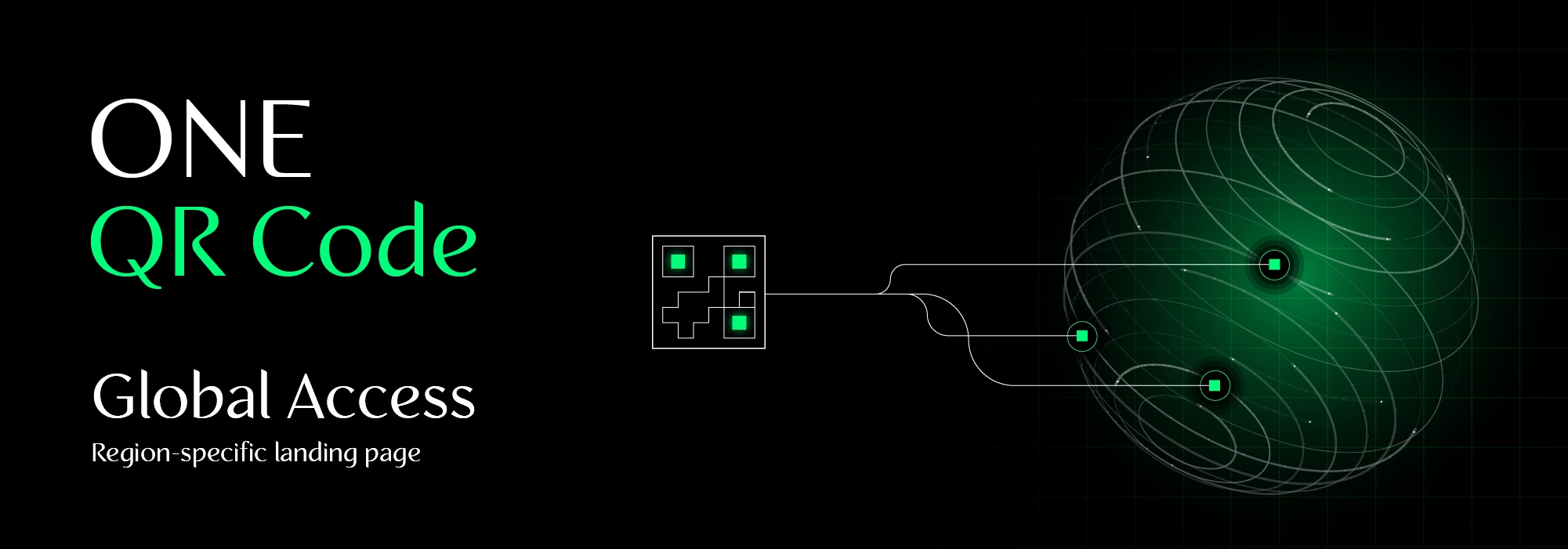
While QR codes have become widespread in retail environments, static QR codes often fall short when deployed at scale — especially across regions, product categories, or international campaigns. Their inflexibility creates more problems than they solve for modern retailers looking to personalize and optimize engagement.
1. One Destination Doesn’t Fit All
A static QR code points to a fixed URL. In global retail, that’s problematic. A landing page designed for a North American audience may be irrelevant — or non-compliant — in markets like the UAE, Germany, or Japan. Retailers using static codes miss out on the opportunity to deliver hyper-relevant, localized content that improves customer experience.
2. Limited Scalability
As campaigns grow more complex, managing static codes becomes a nightmare. Each region, language, or promotion often requires its own code — leading to dozens or even hundreds of assets that must be tracked, tested, and printed. This bloats operational workflows and increases the risk of broken links or outdated content reaching consumers.
3. No Flexibility After Deployment
Static QR codes are essentially locked the moment they’re printed. If your team needs to change the campaign destination, update an offer, or replace a landing page, you’re forced to reprint all physical assets. This results in waste, budget overruns, and delays in execution — particularly problematic in seasonal retail cycles or fast fashion.
4. No Location or Language Awareness
A static code cannot detect where a user is or what language they prefer. This leads to generic user experiences, which feel impersonal and reduce conversion. For global retail brands, this is not just inefficient — it’s a lost opportunity for differentiation.
5. Lack of Measurable Performance
Without integrated analytics, it’s nearly impossible to assess how well a static QR code is performing. Retailers using static codes miss out on insights like scan volume by region, bounce rates, or device preferences — data that is essential for optimizing future campaigns.
This is where smart QR code platforms like UnicLink offer a dramatic improvement — giving brands full control over logic, performance tracking, and multi-market execution through one dynamic system.
The UnicLink Advantage for Retail Brands at Scale

While QR codes have become widespread in retail environments, static QR codes often fall short when deployed at scale — especially across regions, product categories, or international campaigns. Their inflexibility creates more problems than they solve for modern retailers looking to personalize and optimize engagement.
1. One Destination Doesn’t Fit All
A static QR code points to a fixed URL. In global retail, that’s problematic. A landing page designed for a North American audience may be irrelevant — or non-compliant — in markets like the UAE, Germany, or Japan. Retailers using static codes miss out on the opportunity to deliver hyper-relevant, localized content that improves customer experience.
2. Limited Scalability
As campaigns grow more complex, managing static codes becomes a nightmare. Each region, language, or promotion often requires its own code — leading to dozens or even hundreds of assets that must be tracked, tested, and printed. This bloats operational workflows and increases the risk of broken links or outdated content reaching consumers.
3. No Flexibility After Deployment
Static QR codes are essentially locked the moment they’re printed. If your team needs to change the campaign destination, update an offer, or replace a landing page, you’re forced to reprint all physical assets. This results in waste, budget overruns, and delays in execution — particularly problematic in seasonal retail cycles or fast fashion.
4. No Location or Language Awareness
A static code cannot detect where a user is or what language they prefer. This leads to generic user experiences, which feel impersonal and reduce conversion. For global retail brands, this is not just inefficient — it’s a lost opportunity for differentiation.
5. Lack of Measurable Performance
Without integrated analytics, it’s nearly impossible to assess how well a static QR code is performing. Retailers using static codes miss out on insights like scan volume by region, bounce rates, or device preferences — data that is essential for optimizing future campaigns.
This is where smart QR code platforms like UnicLink offer a dramatic improvement — giving brands full control over logic, performance tracking, and multi-market execution through one dynamic system.
QR-Enabled Retail Strategy: How to Deploy Intelligently Across Markets

The true value of smart QR code marketing isn’t just in the technology — it’s in how strategically it’s implemented across your retail operations. With UnicLink, global retail brands can deploy a single, unified QR framework that accommodates diverse markets, fast-paced campaigns, and complex user needs.
Here’s how to build a smart, location-aware QR deployment plan from the ground up:
1. Map Retail Footprint and Target Regions
Begin by identifying all operational zones: stores, warehouses, fulfillment centers, and e-commerce delivery regions. This mapping allows you to plan redirection logic based on:
- Store locations or regional hubs
- Language preferences by geography
- Product distribution routes
With this foundation, you can deploy QR codes knowing they will behave differently based on each scan’s location context.
2. Develop Regional Content and Campaign Variants
Work with internal or agency teams to create content tailored for each major region:
- Visuals, copy, and CTAs localized to culture and market maturity
- Legal disclosures for specific countries or states
- Campaign offers or availability windows specific to time zones or holidays
UnicLink allows you to assign each version to the appropriate geographic region via its smart routing system — all through one code.
3. Design or Upload Custom Landing Pages
Rather than sending users to a generic brand site, build landing pages that deliver specific value. For example:
- Show nearest store locations
- Offer downloadable instructions or care guides
- Highlight region-specific pricing or bundles
UnicLink supports both custom page design and modular landing pages that align with campaign goals across markets.
4. Deploy One Code Across Channels
Use the same QR code across physical and digital touchpoints:
- Product packaging
- Price tags and shelf displays
- Shopping bags
- Email footers and SMS campaigns
- Posters in malls or transportation hubs
The code remains constant, while the redirection behavior changes dynamically in the background.
5. Monitor, Measure, and Optimize
With the UnicLink analytics dashboard, you can continuously review:
- Which countries, stores, or devices are generating the most engagement
- What regions convert at the highest rates
- Where drop-offs or bounce rates are highest
This data allows marketers to refine messaging, page layout, or offer structure — optimizing both regional and global performance without making any changes to the QR asset itself.
Conclusion: Top QR Code Marketing Solutions for Global Retail

Global retail brands face complex challenges — managing localization, personalization, compliance, and scale across countless campaigns and markets. Traditional QR codes are not equipped to meet these demands. What’s needed is a smarter, more agile approach to customer engagement: one that adapts based on location, language, and campaign intent, without complicating execution.
The top QR code marketing solutions for global retail are built to unify and simplify. They support dynamic redirection, custom landing pages, multilingual content, and enterprise-level scalability — all within a single codebase that works across channels and markets.
UnicLink delivers precisely this solution. With geo-intelligent routing, real-time analytics, dynamic code management, and a fully managed service model, UnicLink empowers retailers to engage customers globally while controlling campaigns centrally. Whether you’re launching a new product, running a seasonal offer, or enhancing the in-store journey, UnicLink helps your QR strategy do more — with less complexity.
If you’re ready to move beyond basic QR codes and embrace a system that scales with your brand, it’s time to integrate UnicLink into your global retail workflow — and transform every scan into a localized, conversion-ready interaction.
FAQs
What are the best QR code solutions for global retail marketing?
The best QR code solutions for global retail offer geo-targeting, multilingual content support, custom landing pages, and centralized analytics — all within a dynamic, update-ready code. Platforms like UnicLink provide these capabilities at enterprise scale.
How can QR codes improve customer experience in retail?
QR codes enable instant access to product information, promotions, support, and reviews. Smart QR platforms can personalize this experience by location and language, increasing engagement and improving customer satisfaction.
Can I use one QR code across multiple countries and languages?
Yes. With UnicLink, you can use a single QR code that automatically redirects users based on their location. This supports global campaigns with localized relevance.
Why are static QR codes not suitable for international retail brands?
Yes. With UnicLink, you can use a single QR code that automatically redirects users based on their location. This supports global campaigns with localized relevance.
What services does UnicLink provide for QR code retail campaigns?
UnicLink offers geo-intelligent redirection, dynamic QR code management, multilingual and custom landing pages, real-time analytics, and fully managed implementation — tailored specifically for enterprise-level retail operations.